

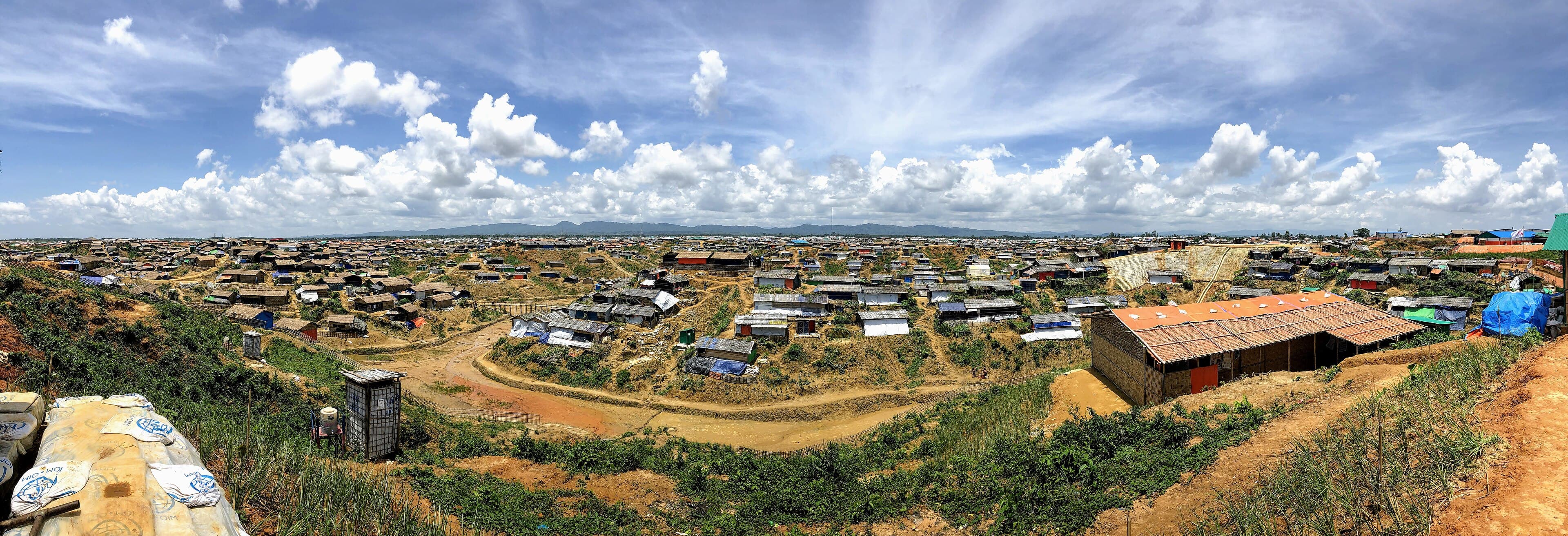
 Tauheed / Wikimedia Commons · CC BY-SA 4.0
A cross-regional introduction to legal identity, equal protection and the human cost of statelessness.
Nationality is often the gateway through which people access education, health care, property, political participation and freedom of movement. Its absence can turn ordinary administrative moments into recurring barriers.
Statelessness is produced by laws, discrimination, state succession and gaps in birth registration, among other causes. It therefore requires both individual remedies and structural reform.
The effects travel across generations. A child who cannot obtain recognised documentation may encounter barriers at school, in health care and later in employment, even when their family has lived in the same place for decades.
Reform therefore requires more than registration campaigns. Nationality laws, administrative practice and safeguards against discrimination all need scrutiny, alongside accessible routes for people to establish their status.
WHRF will treat the right to nationality as a global concern while attending to the distinct histories of Rohingya communities and other stateless populations.
Sources & further reading
This briefing provides an editorial orientation. Follow the primary sources below for current reporting and official documentation.
UNHCR — Ending statelessnessUniversal Declaration of Human Rights