

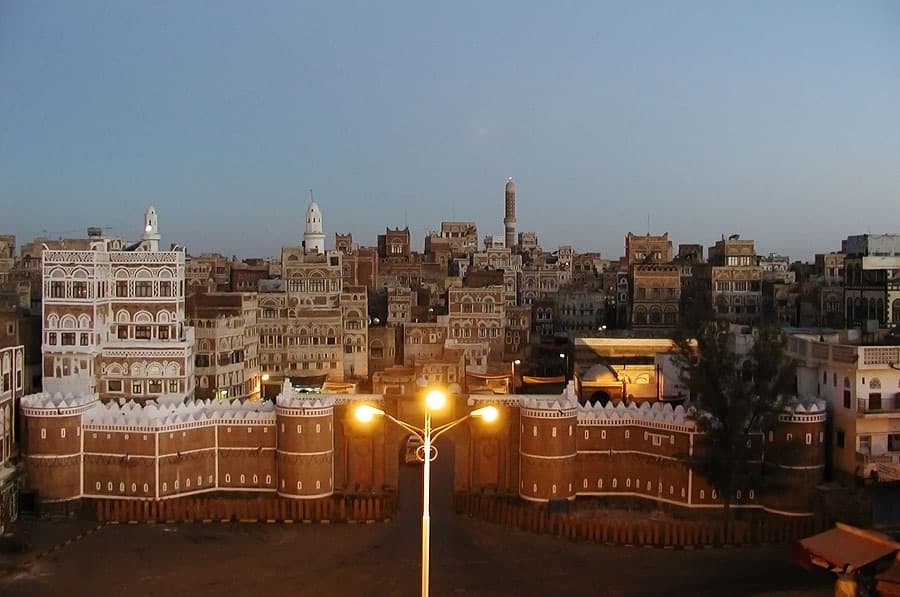
 Yarinya / Wikimedia Commons · CC BY-SA 3.0
Why civilian protection, detention, hunger and access to essential services must be understood together.
Long-running conflict can make the exceptional appear ordinary. A human-rights approach resists that drift by keeping individual dignity and state obligations visible, even when international attention moves elsewhere.
In Yemen, questions of detention, food security, health, displacement and humanitarian access are deeply connected. Analysis is strongest when it avoids treating them as separate technical files and instead examines how they shape daily life.
Detention and enforced disappearance deserve particular attention because the people affected can be placed beyond public view. Reliable reporting needs to identify the responsible institutions, available evidence and limits of verification.
Economic deterioration does not erase legal obligations. Access to water, health care and food remains central to dignity, and restrictions on humanitarian work can intensify the risks faced by already marginalised communities.
This priority briefing sets the scope for future WHRF work: careful sourcing, regional expertise and a sustained focus on people whose experiences are too often compressed into statistics.
Sources & further reading
This briefing provides an editorial orientation. Follow the primary sources below for current reporting and official documentation.
UN Human Rights — YemenOCHA — Yemen